Introduction to Excavators
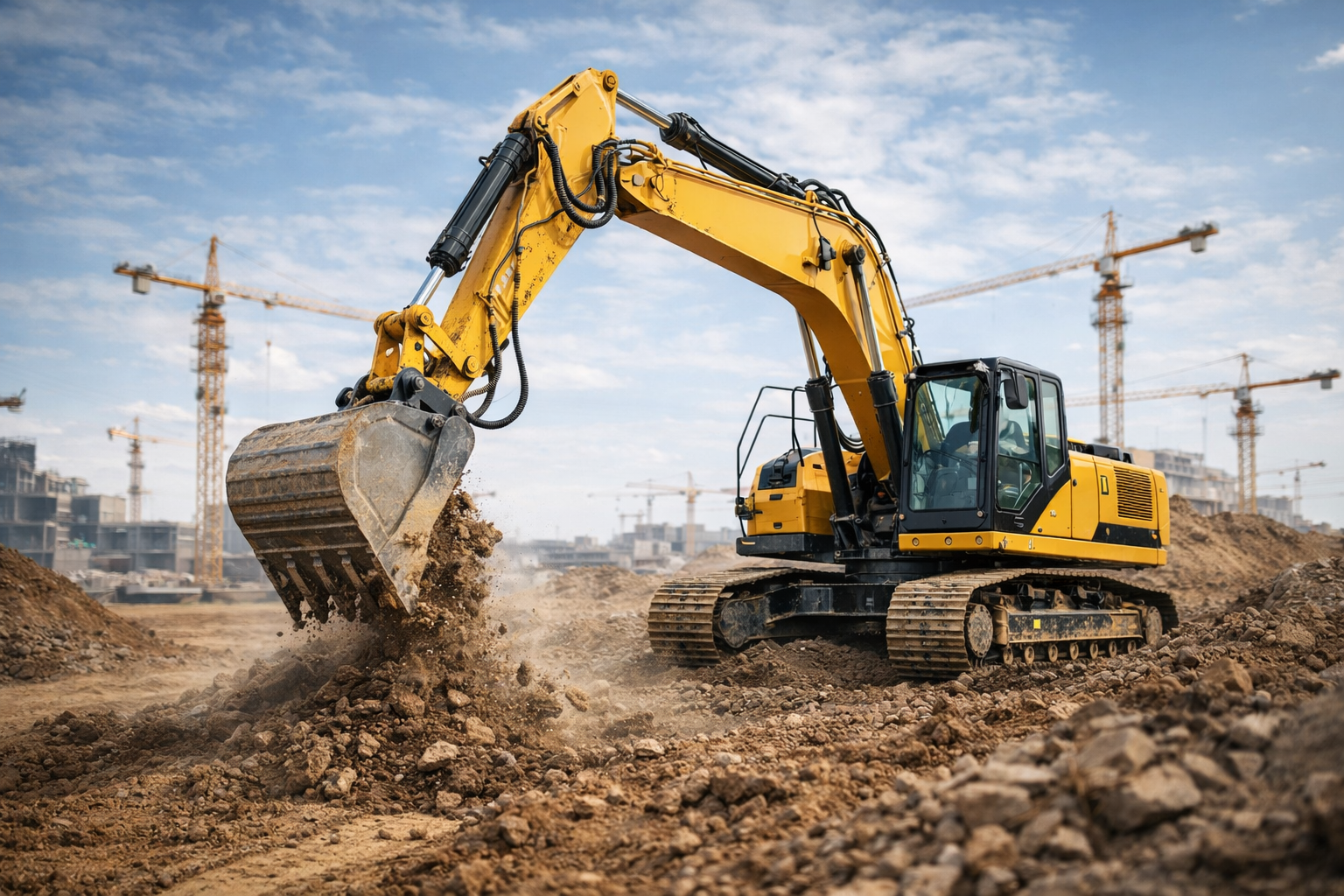
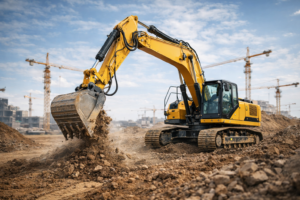
Excavators are powerful, versatile machines integral to numerous construction and excavation tasks. Defined primarily by their elongated arm, which includes a bucket or other attachment at the end, excavators are designed to dig, lift, and transport materials effectively. Their unique configuration allows them to access areas that may be difficult for other machinery to reach, making them invaluable on construction sites, mining operations, and in various civil engineering projects.
The importance of excavators in construction cannot be overstated. These machines facilitate the removal of large quantities of material, assisting in the creation of foundations, trenches, and even landscaping. Excavators are crucial not only for their digging capabilities but also for their ability to perform a variety of tasks such as grading, demolition, and material handling. Their multi-functionality significantly enhances efficiency on job sites, thereby streamlining operations and decreasing project timelines.
The concept of using machines for excavation dates back to the 19th century, with the introduction of steam-powered excavators revolutionizing the industry. Over the years, technological advancements have led to the development of hydraulic excavators, which utilize fluid power for greater precision and efficiency. Today’s excavators are equipped with advanced features including GPS technology, enhanced safety systems, and environmentally friendly engines, ensuring they meet the demands of modern construction practices.
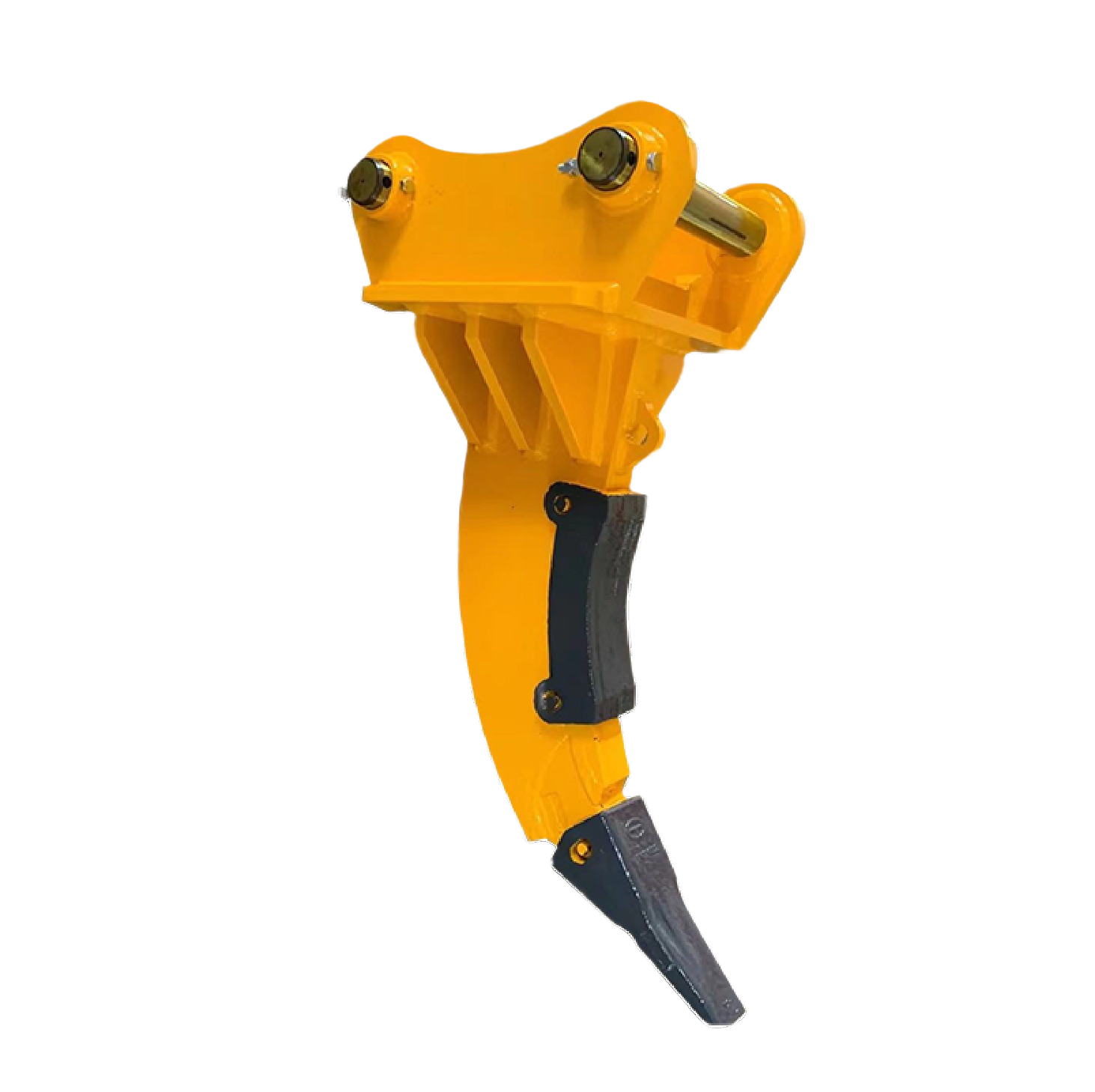
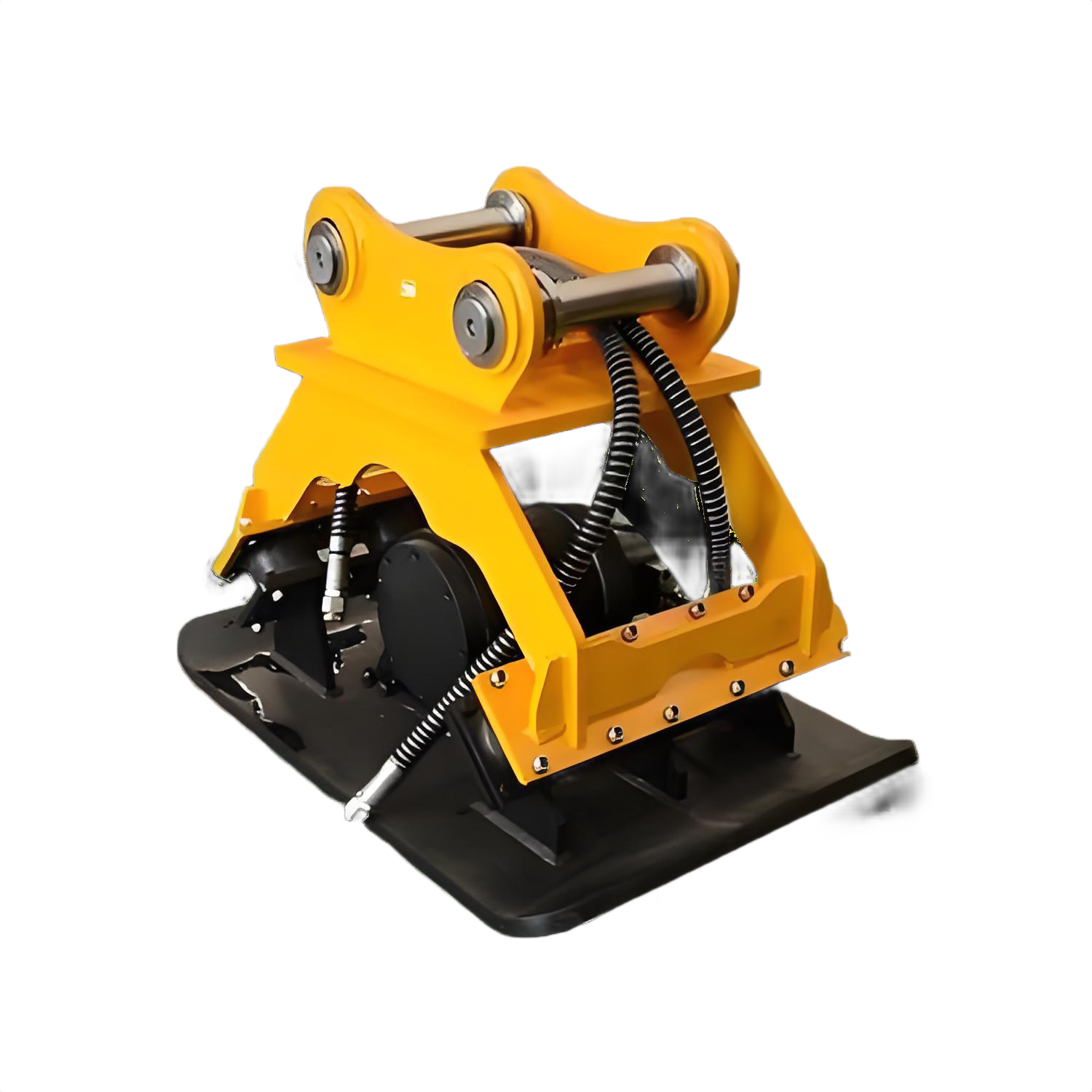
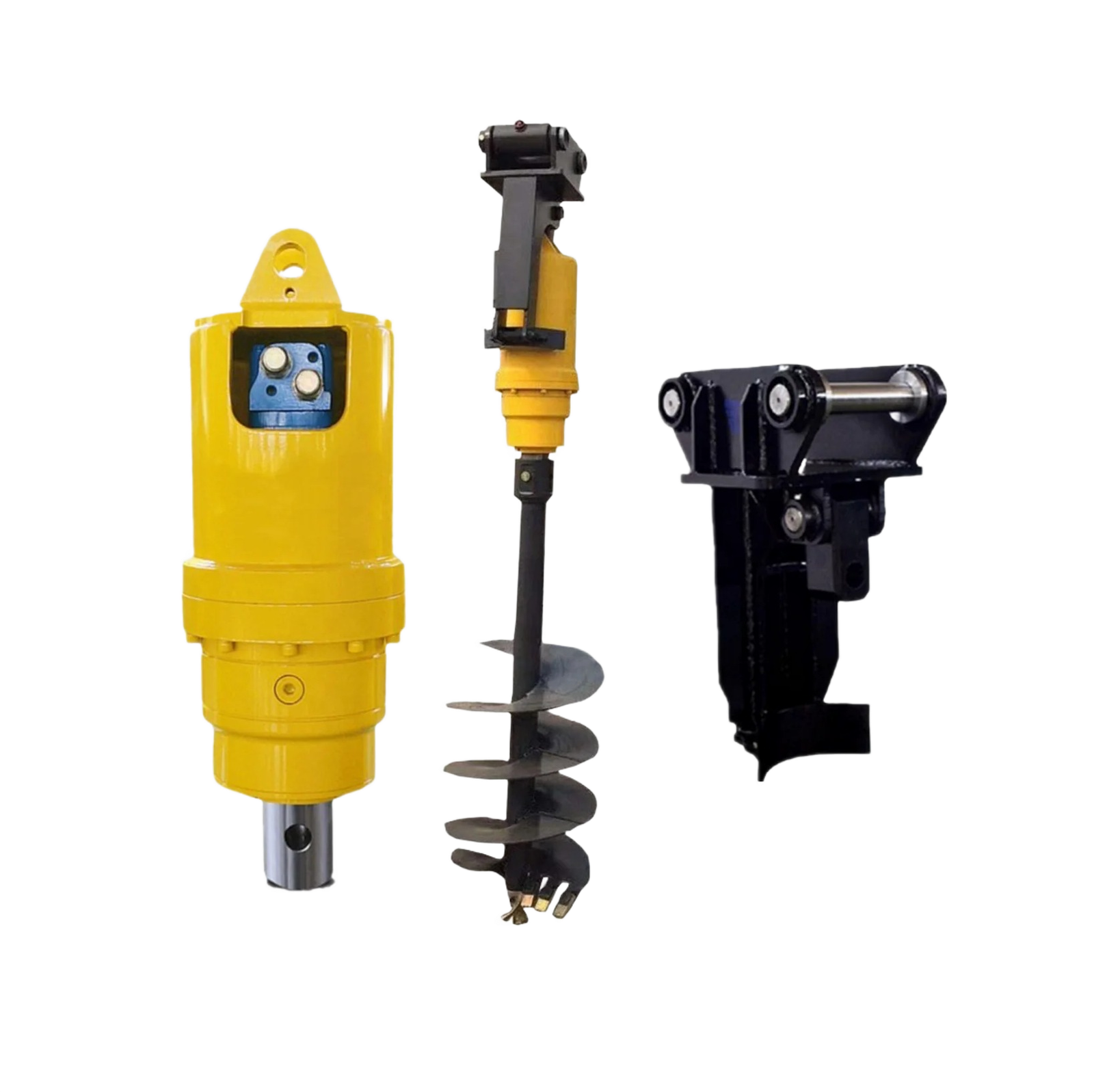
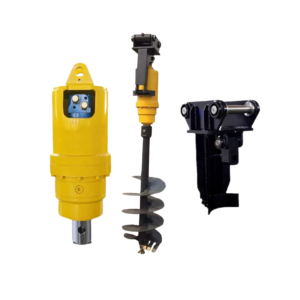
General features that define excavators include their rotating upper carriage, which allows for a 360-degree range of motion, and the undercarriage, typically featuring tracks that provide stability and traction on uneven terrain. These attributes, combined with various attachments, such as buckets, hammers, and grapples, enable excavators to adapt to a wide range of applications, reinforcing their status as essential machinery in the construction and excavation industries.
Types of Excavators
Excavators are versatile machines widely used in construction, excavation, and demolition work. Various types of excavators are available, each serving distinct purposes. Understanding these types is crucial for selecting the appropriate machine for specific tasks.
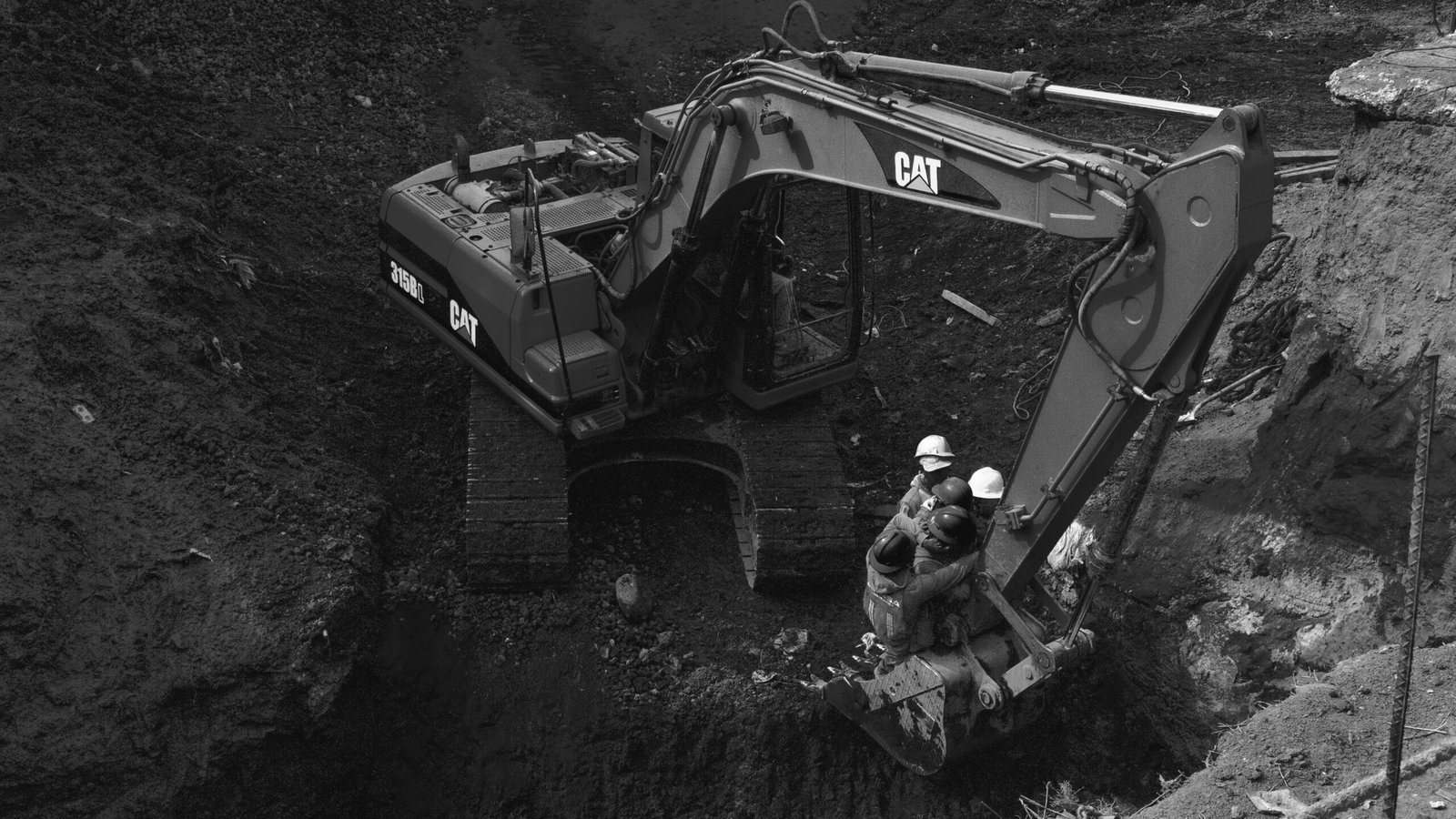
Crawler excavators are one of the most common types, characterized by their robust tracks that provide stability and mobility on rugged terrains. They are equipped with a rotating upper structure and are ideal for heavy-duty operations, such as digging and lifting materials, in challenging environments.
Wheeled excavators, on the other hand, feature wheels instead of tracks. This design allows for greater speed and maneuverability on paved surfaces, making them suitable for urban settings where flexibility is essential. They combine the capabilities of traditional excavators with the ability to traverse job sites quickly, enhancing productivity.
Mini excavators, as the name suggests, are smaller and lighter versions of standard excavators. These machines are particularly useful in confined spaces where larger excavators may be too cumbersome to operate. Their compact design does not compromise performance; they are still capable of a variety of tasks, from landscaping to small-scale excavation projects.
In addition to these standard types, there are specialized excavators such as dragline excavators, commonly utilized in mining and large-scale earthmoving, and suction excavators, which are designed for precise digging in sensitive environments. Dragline excavators use a hoisting mechanism to drag materials, while suction excavators employ a powerful vacuum to remove debris or soil with minimal disturbance.
Each excavator type possesses unique characteristics and advantages that address specific project requirements, making them indispensable tools in the construction industry.
Excavators, known for their versatility and efficiency, play a critical role in various industries. Their primary function revolves around digging, lifting, grading, and transporting materials, making them indispensable across multiple sectors.
In the construction industry, excavators are commonly utilized for earth-moving projects. These machines are essential during the initial phases of building development, as they enable the excavation of foundations, trenches, and ditches. For instance, when constructing commercial buildings, excavators assist in clearing the site, digging deep footings, and providing a level surface for subsequent construction activities.
Mining operations also rely heavily on excavators. In this sector, they are tasked with the removal of overburden material and accessing the minerals underneath. Excavators equipped with specialized attachments can efficiently manage heavy loads of extracted materials, enhancing productivity and safety within the mines. Additionally, their capabilities allow for precision when navigating challenging terrains, ensuring minimal environmental impact.
Demolition is another area where excavators demonstrate their effectiveness. Often fitted with hydraulic attachments such as shears or breakers, these machines can safely dismantle structures, strip debris, and prepare sites for redevelopment. For instance, during the demolition of an old building, excavators are used to tear down walls while ensuring nearby structures remain unharmed, showcasing their precision and control.
In landscaping, excavators contribute to creating aesthetically pleasing outdoor spaces. They are utilized for tasks such as digging ponds, grading land, or installing drainage systems. Landscapers appreciate the ability of excavators to maneuver in tight spaces while efficiently managing earth and materials.
Overall, the common uses of excavators span a wide range of industries, underscoring their integral role in modern operations that require substantial lifting and excavation capabilities.
Choosing the Right Excavator for Your Project
Selecting the appropriate excavator for your project is a critical decision that impacts the efficiency and success of the task at hand. Various factors must be assessed to ensure that the machine you choose best suits your requirements. The first consideration should be the size of the project. Larger projects, such as extensive land clearing, may necessitate the use of a larger excavator, such as a hydraulic excavator, which can handle significant workloads effectively. Conversely, for smaller residential projects, a compact excavator might be more advantageous due to its ease of use in tighter spaces.
Another essential factor to consider is the terrain on which the excavator will operate. If your project includes rugged or uneven terrain, consider a tracked excavator. These machinery options provide better traction and stability, making them ideal for challenging environments. For more stable surfaces, wheeled excavators can increase mobility and speed. Additionally, the type of materials being excavated, whether soil, rock, or debris, also plays a crucial role. Different excavators are designed with buckets suited for various materials; for instance, a ditching bucket is appropriate for soft soils, while a rock bucket is tailored for harder materials.
When it comes to acquiring an excavator, a choice has to be made between renting and purchasing. Renting might be more suitable for short-term projects or for companies that require flexibility without the commitment of ownership. However, for long-term operations, purchasing might be more economical overall. Ensure to evaluate how frequently the excavator will be used and the associated costs of both options before making the final decision. By thoughtfully considering these factors, you can choose the right excavator that aligns with the specific demands of your project, ultimately enhancing productivity and efficiency.