Introduction to Hydraulic Winches
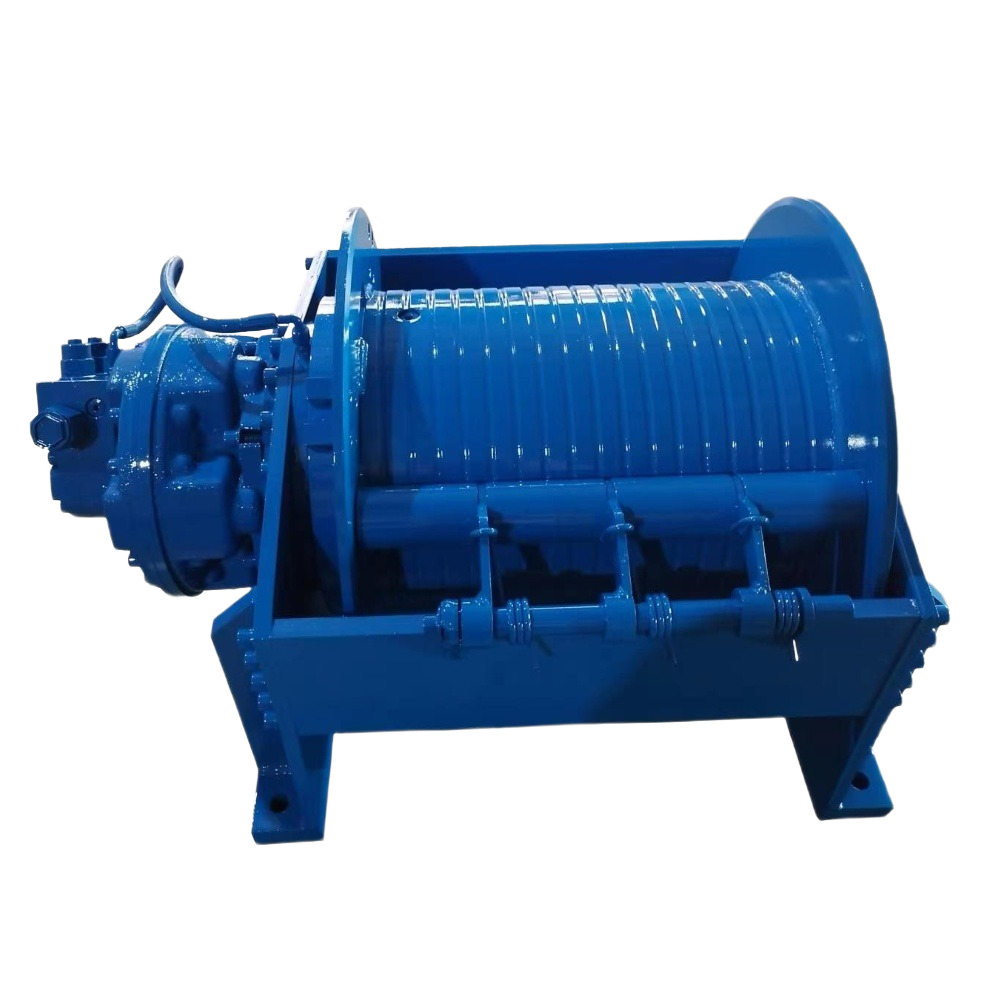
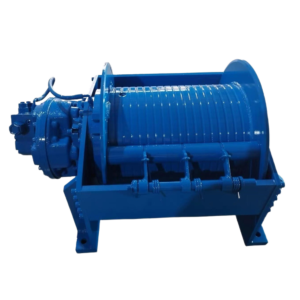
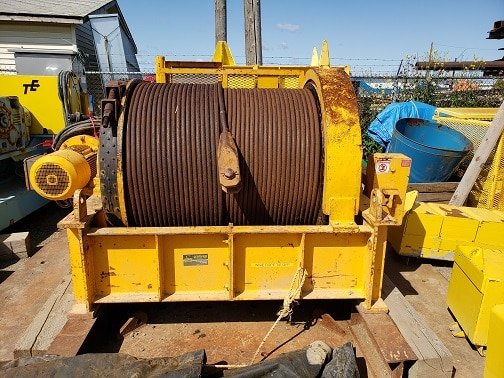
Hydraulic winches are powerful machines utilized in various industries, particularly in the mining sector, to facilitate lifting and pulling heavy loads. These winches operate using hydraulic systems, which harness fluid power to perform tasks efficiently. The basic components of hydraulic winches include a hydraulic motor, a winch drum, hydraulic hoses, and control valves. The hydraulic motor is pivotal; it converts hydraulic energy into mechanical energy, enabling the winch to reel in or let out cable or rope with ease.
The working principle of hydraulic winches revolves around pressurized fluid, usually oil, being directed into the motor. As fluid enters, it drives the motor’s rotational movement, which turns the winch drum. This mechanism allows hydraulic winches to exert significant force while maintaining high levels of control and precision. Additionally, hydraulic winches can be designed for both stationary and mobile applications, making them versatile tools in the field.
One of the key advantages of hydraulic winches over their mechanical counterparts is the ability to handle heavy loads smoothly and with minimal effort. The fluid-powered system allows for continuous engagement without the risk of wear and tear, which is common in conventional winches. Moreover, hydraulic winches offer variable speeds and torque settings, making them adaptable to various tasks.
Various types of hydraulic winches are available on the market, tailored to meet the specific needs of different applications. These include single-drum winches for simpler tasks and multi-drum winches designed for complex operations that may require simultaneous lifting of multiple loads. Hydraulic winches are prevalent not only in mining but also in construction, offshore industries, and maritime operations, underscoring their essential role in enhancing operational efficiency.
Applications of Hydraulic Winches in Mining
Hydraulic winches serve a pivotal role in various mining operations, functioning as essential tools that enhance both efficiency and safety in the mining industry. These versatile devices are primarily used for tasks such as extraction, material handling, and site preparation, making them indispensable in the operational workflow of mines.
During extraction processes, hydraulic winches are employed to lift and transport heavy loads, such as mined materials or equipment, from underground locations to the surface. Their capacity to manage substantial weights safely and reliably enables mines to operate effectively, thereby maximizing productivity. For instance, in underground coal mining, hydraulic winches facilitate the transportation of mined coal to the surface, ensuring a streamlined operation that reduces downtime and optimizes resource utilization.
In addition to extraction, hydraulic winches play a critical role in material handling. They assist in moving various materials, including rock, metal ores, and waste, throughout the mining site. By enabling the efficient transfer of materials between different stages of the mining process, hydraulic winches contribute significantly to minimizing logistical inefficiencies. An example of this can be seen in the use of hydraulic winches for hoisting and winding processes in diamond mining operations, where they ensure that valuable stones are transported securely and expeditiously.
Site preparation is another area where hydraulic winches are crucial. They aid in tasks such as clearing and leveling land, adjusting site layouts, and setting up equipment. By facilitating quick adjustments to site conditions, hydraulic winches improve operational flexibility and enhance safety by reducing the manual labor required for site preparation. In a notable case, a series of hydraulic winches were utilized in a gold mining project, allowing for rapid repositioning of excavators, leading to a significant reduction in setup time and costs.
Overall, the diverse applications of hydraulic winches in the mining industry underscore their significance in driving productivity and ensuring safe practices. Their ability to handle substantial workloads efficiently makes them an asset that mining operations cannot overlook.
Benefits of Utilizing Hydraulic Winches in Mining Operations
Hydraulic winches play a pivotal role in modern mining operations, offering numerous advantages that enhance both productivity and safety. One of the primary benefits is increased operational efficiency. By harnessing hydraulic power, these winches provide a higher pulling capacity than traditional winches, making them ideal for tasks such as lifting heavy loads and transporting materials across rough terrains. The rapid recovery and smooth operation of hydraulic winches significantly reduce downtime, allowing mining operations to proceed without unnecessary delays.
Safety is another crucial aspect where hydraulic winches excel. Mining environments often present hazardous conditions, and the use of hydraulic systems minimizes the risks associated with manual labor. Hydraulic winches eliminate the need for excessive manpower, limiting the number of workers exposed to dangerous situations. Their automatic load balancing and precise control mechanisms further ensure that the loads are handled safely, thereby reducing the potential for accidents.
Moreover, hydraulic winches contribute to reducing manpower requirements in mining operations. The automation and advanced features of hydraulic systems lessen the reliance on human labor for load handling and transport tasks. This not only frees up personnel for other important duties but also helps in mitigating labor costs, leading to substantial savings for mining companies.
Finally, these winches enhance overall cost-effectiveness in mining operations. The durability and low maintenance requirements of hydraulic winches lower operational costs over time. Investing in hydraulic technology can yield returns through increased productivity and reduced accident-related expenses, establishing hydraulic winches as a vital component in the mining sector.
Future Trends and Innovations in Hydraulic Winches
The mining industry is witnessing a significant transformation, particularly with the integration of hydraulic winches, which play a pivotal role in enhancing operational efficiency and safety. As technology advances, several emerging trends and innovations are shaping the future of these essential tools. One of the most notable advancements is the rise of automation within hydraulic winches. Automation allows for more precise control and operation of machinery, reducing human error and enhancing safety protocols in high-risk environments.
Another key trend is the development of remote control capabilities for hydraulic winches. This innovation enables operators to manage winching tasks from a safe distance, significantly minimizing the risk associated with direct human involvement in potentially hazardous situations. Remote-controlled systems are equipped with advanced monitoring technologies, allowing for real-time data analysis. This not only facilitates better decision-making but also enables more efficient maintenance schedules by predicting potential failures before they occur.
Enhancements in energy efficiency represent another vital trend influencing hydraulic winches within the mining sector. Innovations such as variable speed drives and energy regeneration systems are being integrated into hydraulic designs to optimize power consumption during operations. These improvements not only reduce operational costs but also promote environmental sustainability in mining practices, aligning with global initiatives to decrease carbon emissions.
Potential future developments in hydraulic winches may also include advancements in materials technology and the integration of smart sensors that further enhance operational capabilities. As the mining industry continues to evolve and embrace new technologies, hydraulic winches will undoubtedly play a crucial role in optimizing mining operations, paving the way for a more efficient and safer future.