Introduction to Excavator Attachments
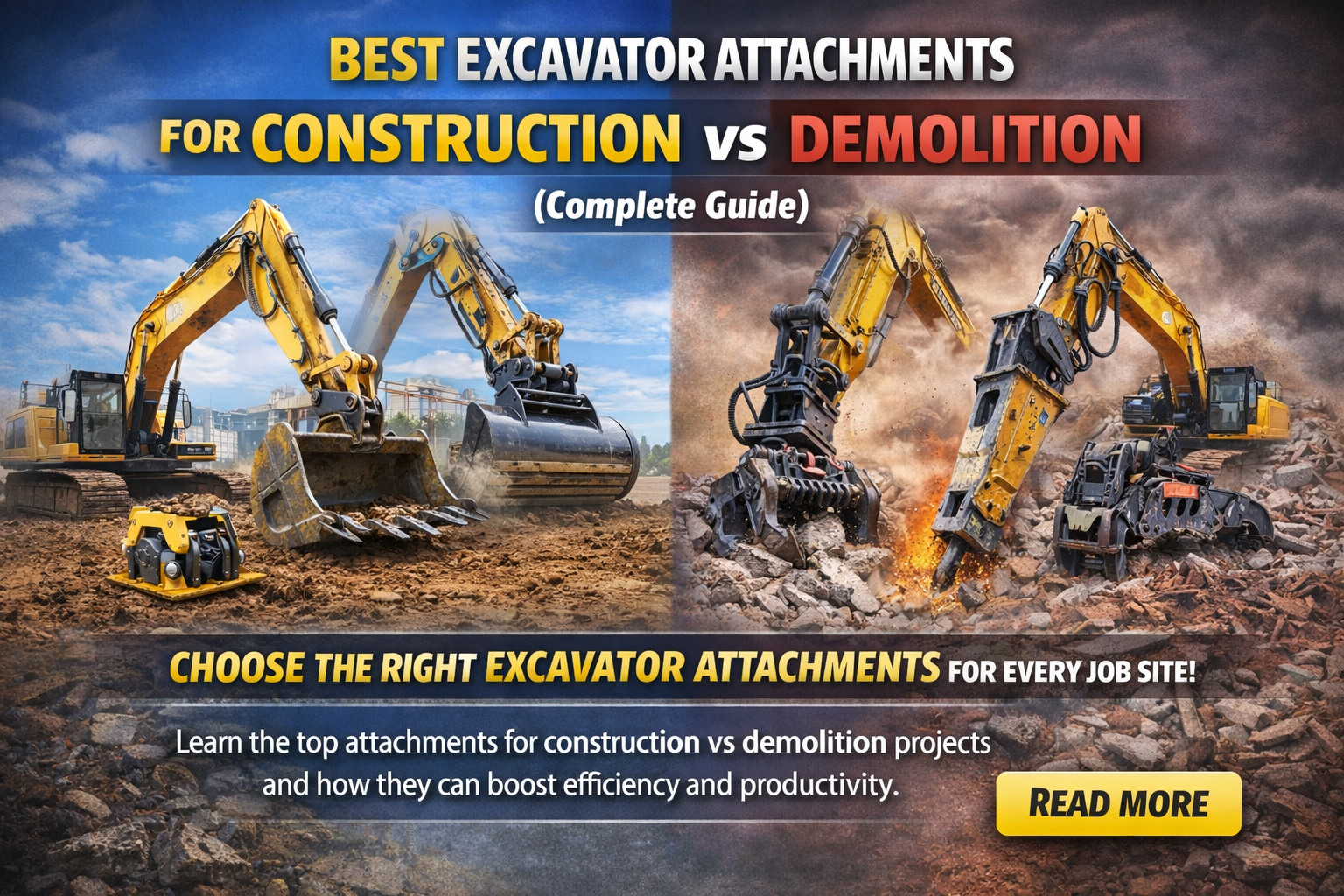
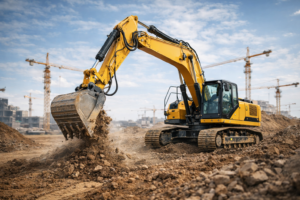
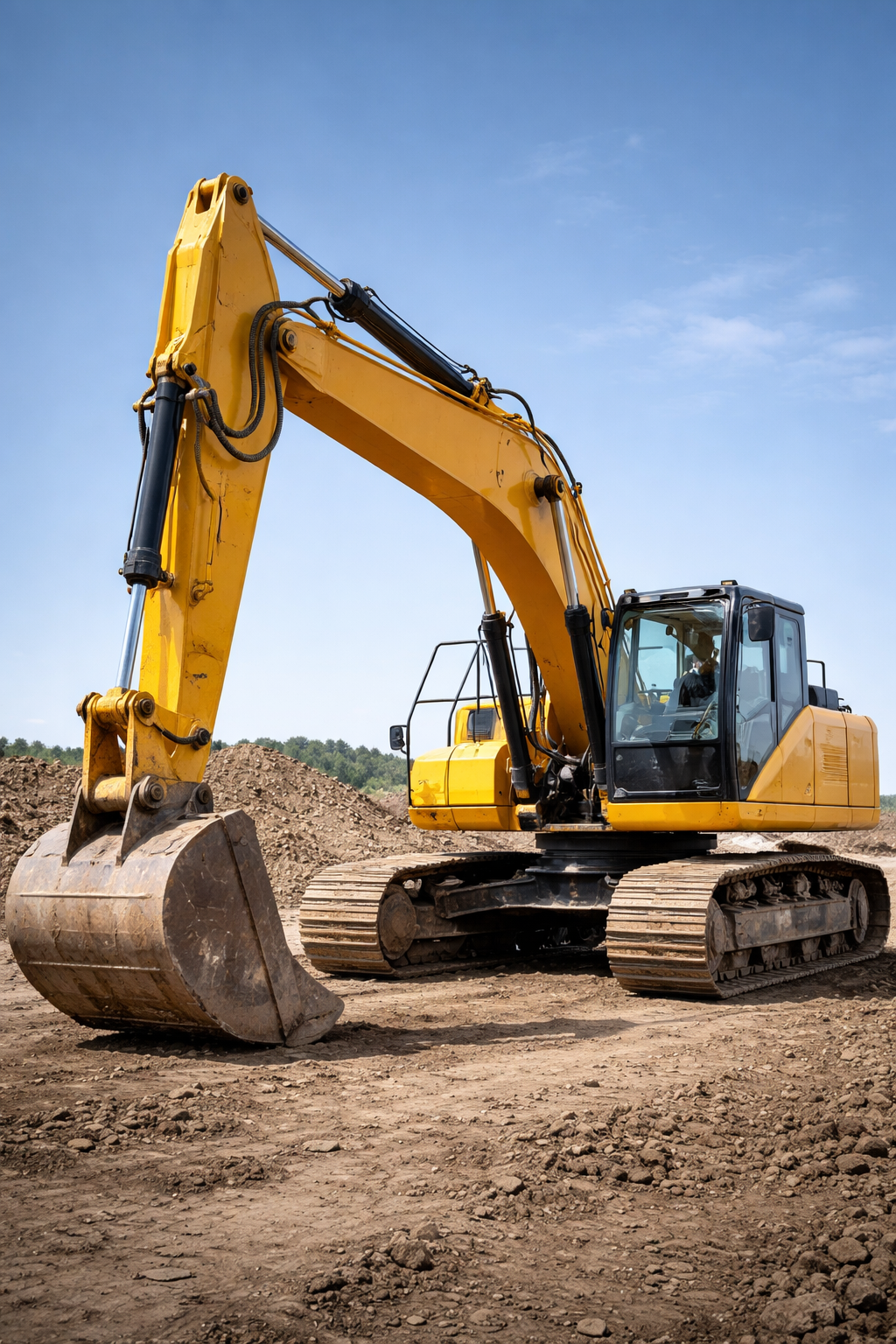
Excavator attachments are specialized tools designed to enhance the functionality and versatility of excavators in various industries such as construction, demolition, and landscaping. These attachments can transform a standard excavator into a multi-functional machine, enabling it to perform a wide array of tasks beyond basic digging.
The significance of excavator attachments cannot be overstated, as they allow operators to tailor the excavator’s use to specific project requirements. For instance, by employing a hydraulic thumb, operators can increase their load-handling capabilities, which is particularly useful during material handling and placement tasks. Similarly, a bucket attachment can be swapped to accommodate different digging conditions, whether for excavation, grading, or trenching.
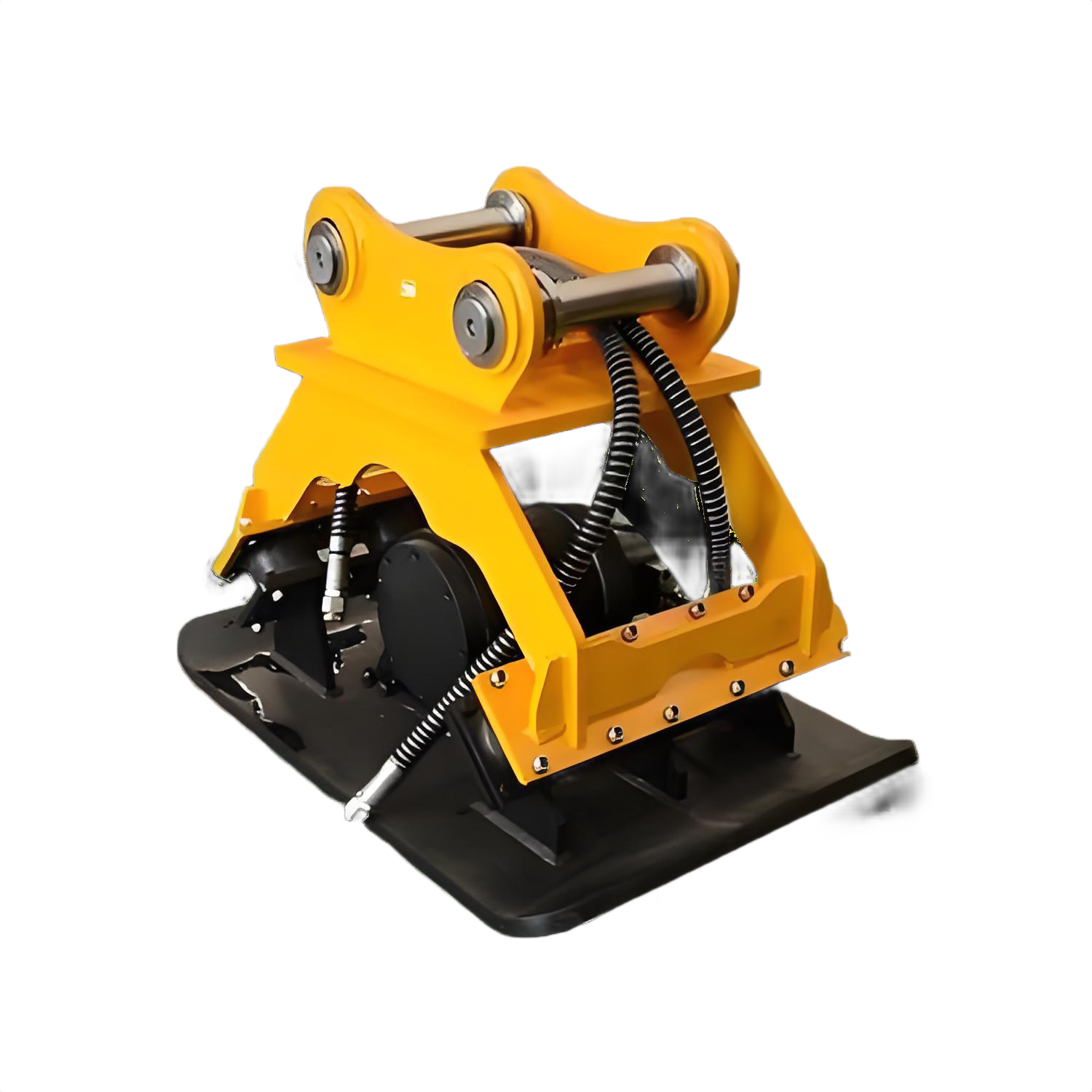
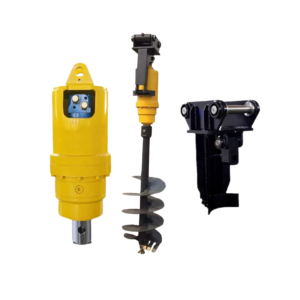
Additionally, attachments such as augers, grapples, and breakers offer targeted solutions for particular challenges encountered on job sites. An auger, for example, is ideal for creating holes in the ground for posts or foundation work, while a breaker compacts and demolishes concrete or rock. Thus, the diverse range of excavator attachments helps businesses to enhance operational efficiency and adapt to varying demands.
In summary, excavator attachments are crucial elements that significantly improve the capabilities of excavators, allowing them to perform specialized tasks across different sectors. Their ability to diversify the range of operations not only increases productivity but also maximizes the investment in heavy machinery. Therefore, understanding the types of attachments available and their applications is vital for contractors and project managers aiming to optimize their equipment usage in fulfilling project objectives.
Common Types of Excavator Attachments
Excavators are incredibly versatile machines, and their efficiency can be significantly enhanced through the use of various attachments. The most common types of excavator attachments include buckets, hammers, grapples, and augers, each designed for specific tasks.
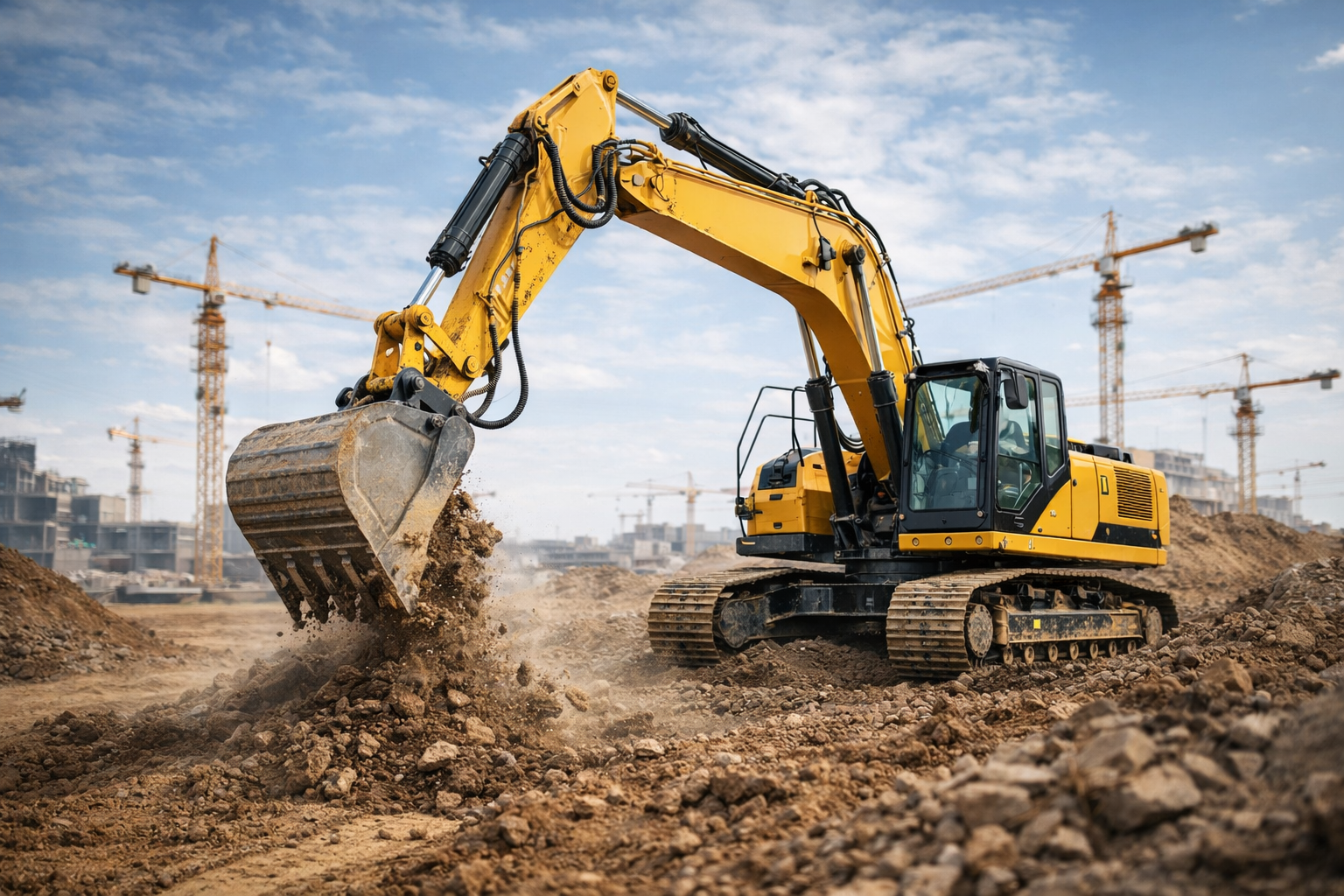
**Buckets** are perhaps the most widely recognized excavator attachment. They are primarily used for digging, scooping, and transporting materials. Buckets can vary in size and shape, ranging from standard digging buckets to rock buckets and trenching buckets. The selection of a bucket depends on the type of material to be handled and the desired excavation activities.
**Hammers**, also known as hydraulic breakers, are attachments designed for breaking concrete, asphalt, and other hard surfaces. These tools convert the hydraulic power of the excavator into rapid impacts, allowing for efficient demolition work. They are particularly useful in urban environments where noise and vibration must be managed, making them valuable assets for construction and renovation projects.
**Grapples** serve an essential role in grasping and moving various materials, including debris, scrap, and logs. These attachments typically feature a claw-like design, enabling operators to efficiently handle and transport bulk items. Grapples are beneficial in forestry and waste management applications, offering precision and control in the handling of challenging materials.
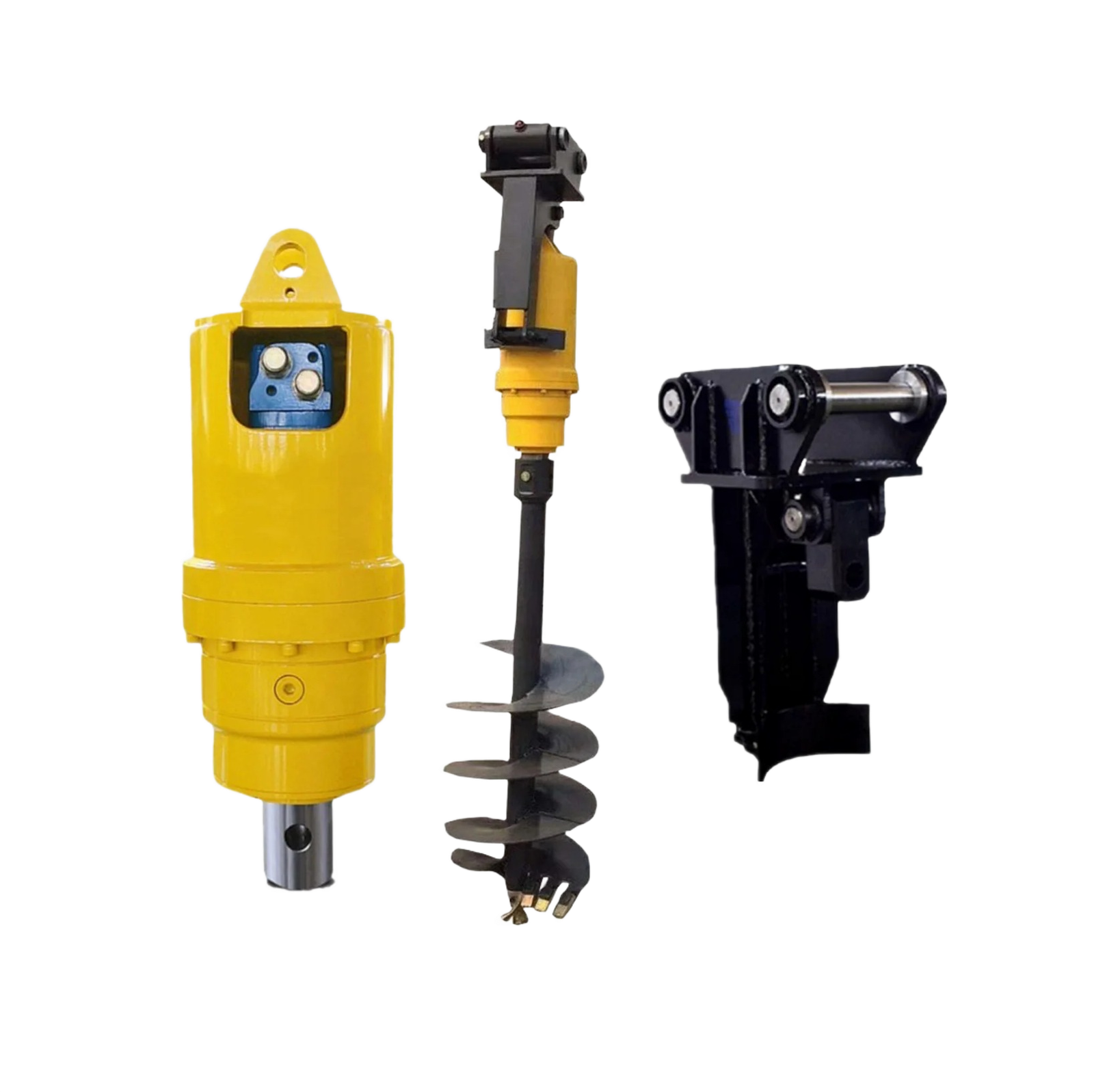
**Augers** are specialized attachments used for drilling holes in the ground. They are ideal for tasks such as planting trees or installing fence posts. Augers come in various diameters and lengths, allowing operators to choose an appropriate attachment depending on the job’s requirements. The design of an auger ensures efficient earth penetration and material removal, facilitating quicker and more effective excavation.
Each of these common types of excavator attachments plays a vital role in enhancing the functionality of excavators, allowing them to tackle a wide range of construction, landscaping, and demolition tasks with increased efficiency and precision.
Specialized Excavator Attachments and Their Applications
Specialized excavator attachments significantly enhance the versatility of excavators, making them indispensable in various industry sectors. Among the most notable examples are tilt buckets, rippers, and shears, each designed for specific tasks that require efficiency and precision.
Tilt buckets, for instance, are specialized attachments that allow the excavator to perform grading and digging tasks at various angles. This enhanced mobility provides operators with the ability to execute more complex maneuvers without repositioning the equipment continuously. Ideal for landscaping, site preparation, and drainage projects, tilt buckets enable efficient material handling, thereby improving productivity on the job site.
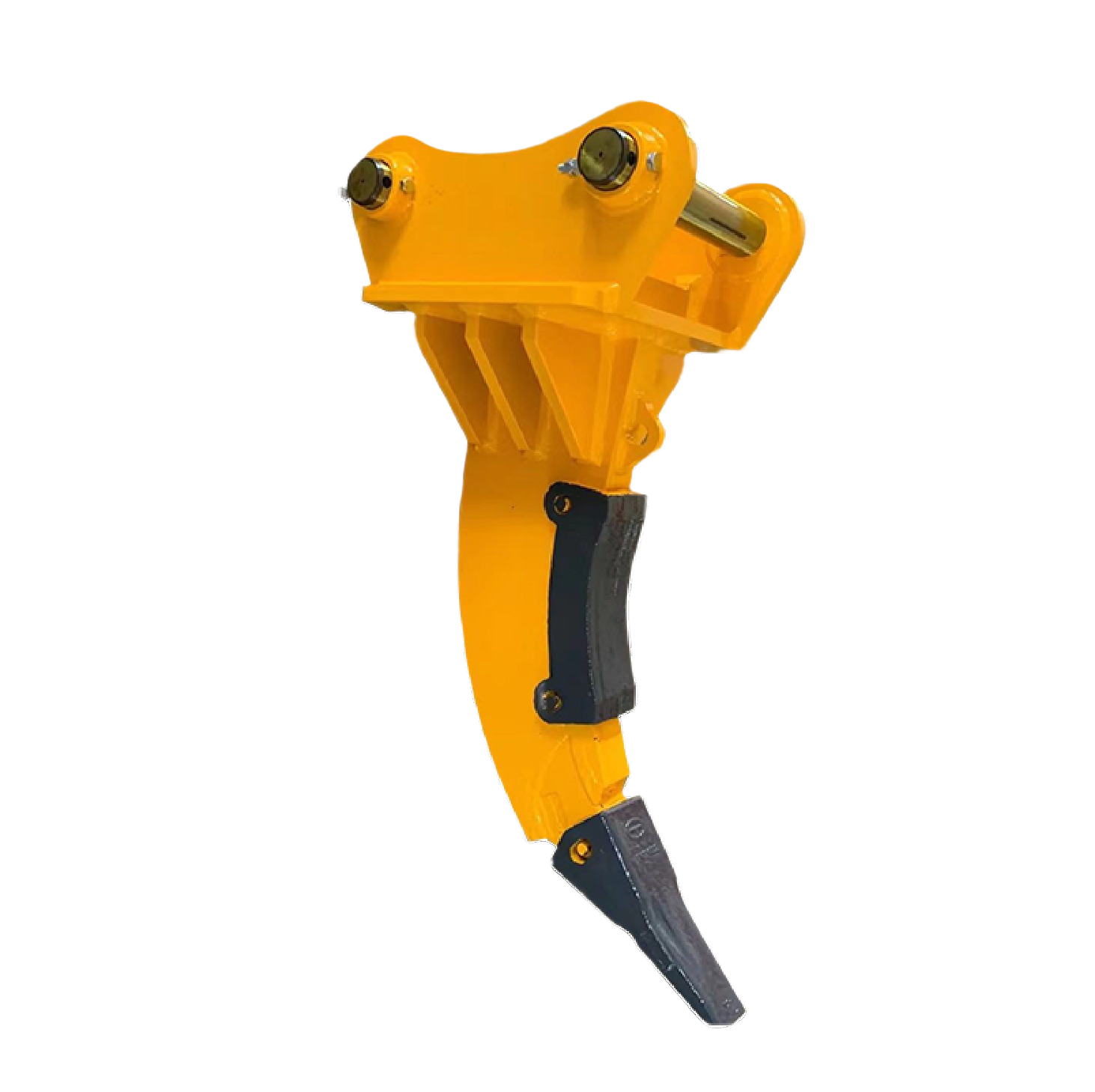
Rippers are another type of specialized attachment designed for breaking up hard surfaces such as asphalt, frozen ground, or rocky terrain. This attachment features a single or double-pronged pointed edge that effectively penetrates tough materials, which is in high demand within construction and mining industries. Their primary advantage lies in their capacity to reduce the need for blasting or other aggressive methods, offering a safer and often more cost-effective solution for excavation tasks.
Similarly, shears serve a critical role in demolition and recycling processes. Typically equipped with powerful jaws, these attachments are designed to cut through metal and other tough materials with ease, making them essential in various construction and deconstruction tasks. The efficiency of shears minimizes downtime and labor costs, allowing projects to progress rapidly while ensuring safety through the use of advanced hydraulic mechanisms.
In conclusion, the utilization of specialized excavator attachments such as tilt buckets, rippers, and shears enhances the functionality of excavators across numerous industries. By adopting these attachments, operators can tackle a wide range of projects with improved efficiency and effectiveness, leading to significant benefits in operational productivity.
Choosing the Right Attachment for Your Project
Selecting the appropriate excavator attachment is crucial for optimizing efficiency and effectiveness in construction and excavation tasks. Various factors weigh into this decision, primarily involving the compatibility of the attachment with the specific excavator model in use. It is essential to ensure that the attachment meets the operational specifications of the excavator to avoid potential mechanical failures and safety hazards during operation.
Secondly, the specific job requirements play a significant role in attachment selection. Projects may range from heavy-duty clearing and demolition to fine grading or trenching. Identifying the primary tasks expected from the excavator will guide users in choosing attachments that enhance productivity. For instance, a hydraulic hammer may be more suitable for breaking concrete than a bucket attachment, which is designed for digging and loading.
Material handling is another critical factor to consider. Different attachments perform better with specific materials. For example, a grapple would be the ideal choice for handling large debris or logs, while a smooth-edged bucket can efficiently excavate soil or gravel. Understanding the material type and volume involved in the tasks will inform the selection process.
Lastly, cost considerations cannot be overlooked when making a choice. High-quality attachments can offer long-term value and robustness but may come with a higher initial investment. It is advisable to weigh the investment against the expected return based on project demands. In many instances, renting excavator attachments can be a cost-effective solution for short-term projects, minimizing fixed costs associated with ownership.